

How do you define marijuana?
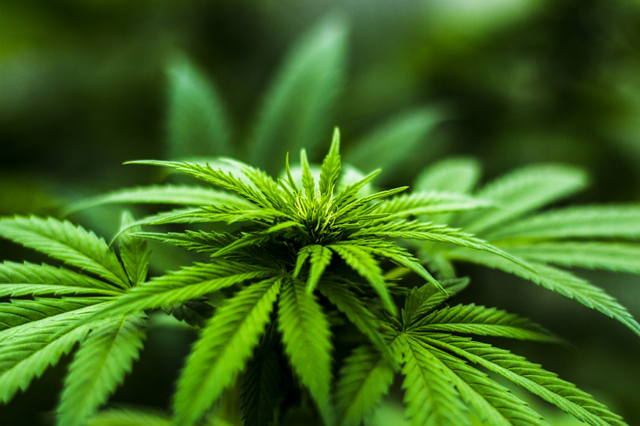
Marijuana refers specifically to dried flowers, leaves stems, seeds, and stems of the Cannabis Sativa (also known as Cannabis indica plant. The plant has THC, which is a mind-altering substance. THC as well as other compounds similar to it. Extracts are also made using the cannabis plant (see ” Marijuana Extracts”).
Marijuana is the third most frequently utilized addictive drug following alcohol and tobacco. 1 It is a popular choice among youth. In 2018, over 11.8 million people aged 18-29 have used marijuana throughout the period. 1 According to the Monitoring the Future survey, the rates of marijuana usage for middle and high school students have been steady however, the percentage of teenagers in the 8th and 10th grade who claim to use regularly has grown. With the rise of vaping, teens are beginning to use THC (the component in marijuana that gives you the high) which is the main ingredient in marijuana, with almost 4 percent of 12th graders say they use THC every day. Additionally, the percentage of teens who think that regular use of marijuana is dangerous is declining. 2
The legalization of marijuana for medical usage or recreational use for adults in a growing number of states could impact these opinions. Find out more about marijuana’s use as a treatment
How do people use marijuana?
Smokers smoke marijuana using hand-rolled cigars (joints) or through a pipe or piped water (bongs). Also, they smoke it in blunts, cigars that are empty and partially or refilled with marijuana. To prevent inhaling smoke, some are using vapers. They extract the active components (including THC) from the marijuana plant and store their vapor into a storage container. One then breathes in the vapor and not smoke. Some vaporizers use liquid marijuana extract.
It is possible to mix marijuana into food items ( edibles) like brownies and cookies or even brew it up as a tea. The most recent method of consumption is to smoke or eat various forms of THC-rich substances (see ” Marijuana Extracts”).
What effects does marijuana have on the brain?
Marijuana can have both long- and short-term effects on our brains.
Short-Term Effects
If a person consumes cannabis, THC is quickly absorbed by the lungs to the bloodstream. The blood supplies THC to the brain as well as to different organs of the body. In the human body, it absorbs THC slower when the person drinks or eats it. In such a situation, people generally notice the effects within 30 minutes to an hour.
THC is brain cells that normally react to the natural THC-like chemical. Natural chemicals play a function in normal brain development and function.
The high from marijuana triggers areas of the brain which contain the most number receptors. This is what causes a “high” that people feel. Other consequences are:
altered senses (for instance experiencing more vibrant colors)
A shift in the perception of time
mood swings
impaired body movement
difficulties in thinking and problem-solving
Memory impairment
hallucinations (when taken in large doses)
illusions (when taken in large doses)
psychosis (risk is greatest with the regular consumption of marijuana with high potency)
Long-Term Effects
The brain’s development is also affected by marijuana. When users begin to use marijuana in their teens it can affect thinking and memory functions, and alter the way that the brain develops connections between the brain areas that perform these functions. Researchers are still investigating how long the effects of marijuana last and whether certain changes could be permanent.
A study, for instance, conducted in New Zealand conducted in part by researchers from Duke University showed that people who began smoking marijuana regularly during their teenage years and who had an ongoing disorder of marijuana use experienced a loss of an average of eight IQ points between the ages of 13 to 38. The diminished mental capabilities did not fully recover for those who stopped smoking marijuana when they were adults. People who began smoking marijuana at a young age did not show any significant IQ decreases. 5
In a separate study that examined twins, the subjects who used marijuana had a marked decrease in general knowledge as well as in the ability to speak (equivalent up to four IQ points) in the years between preteen as well as early adulthood. However, there was no apparent difference between twins who took marijuana, while the other did not. It is possible that this IQ decline among marijuana users could be caused by something else than marijuana, like shared family factors (e.g. family history, genetics). 6 NIDA’s Adolescent Brain Cognitive Development (ABCD) study is a significant longitudinal study which is tracking a vast number of young Americans from late childhood until early adulthood to determine the extent to which marijuana and other drugs both in combination and on their influence the development of the brain in adolescence. Learn further about this ABCD Study on our longitudinal Study of Adolescent Brain and Cognitive Development (ABCD Study) webpage.